


Oil prices, Iran ceasefire: Market rises as White House cites deadline halt
WASHINGTON Global oil prices rose on Friday as the White House informed Congress that a current ceasefire has "terminated" hostilities with Iran, effectively pausing a 60-day legal deadline for military withdrawal. The administration’s letter to lawmakers on May 1 argues that because active combat ceased on April 7, the requirements of the 1973 War Powers Resolution no longer apply. This development has sparked uncertainty in energy markets regarding the duration of the U.S. military presence in the Middle East and the continued closure of the Strait of Hormuz.
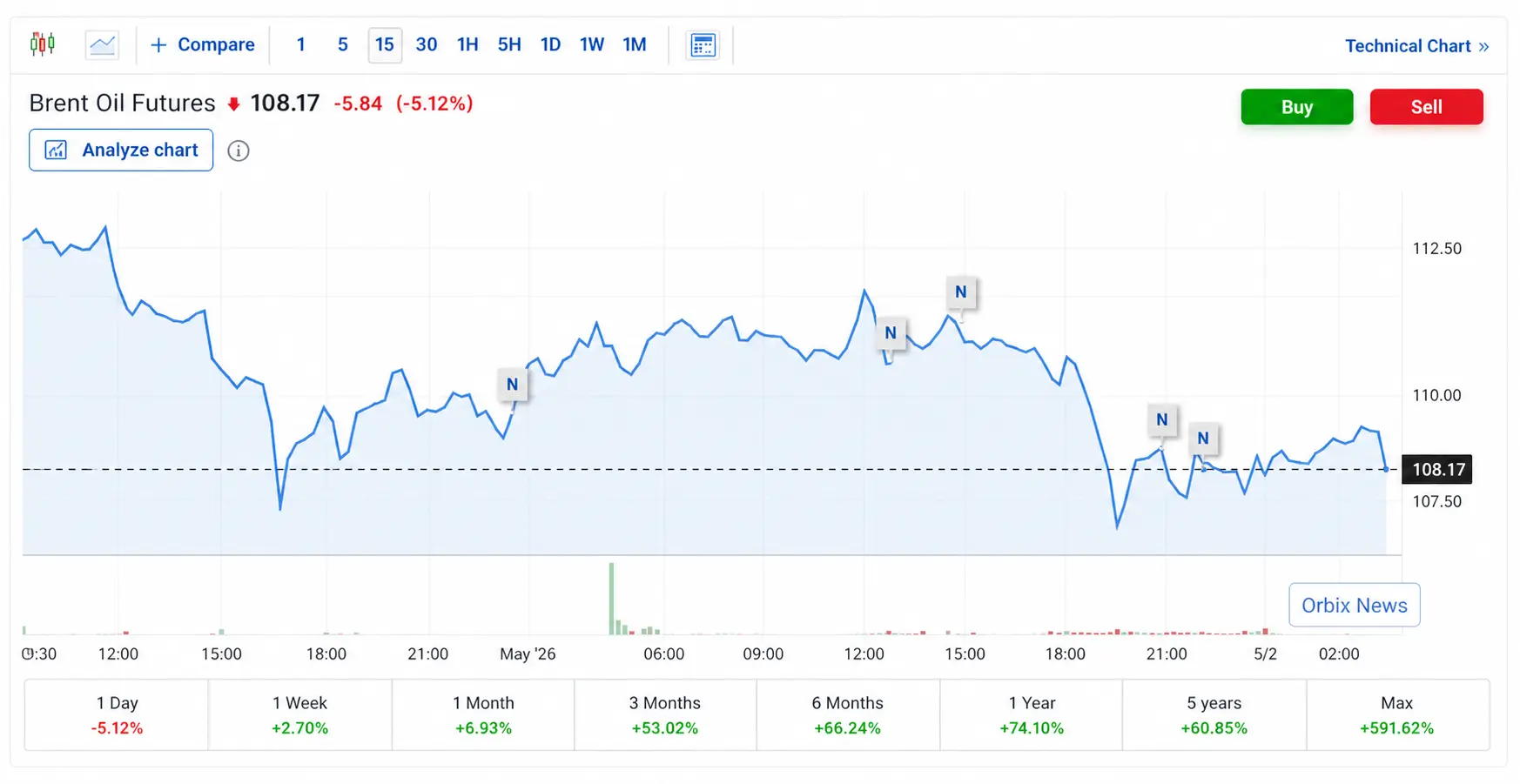
Oil Market Movement and Reactions
The oil market news reflected immediate volatility following the White House announcement. While a ceasefire generally suggests lower risk, investors remained focused on the unresolved blockade of critical shipping lanes.
Brent Crude: The international benchmark rose 89 cents to settle at $111.29 per barrel.
WTI Crude: U.S. West Texas Intermediate futures held steady at $104.51 per barrel.
Weekly Gains: Brent is on track for a weekly gain of approximately 5.7%, while WTI has seen a 10.5% increase over the same period.
Market analysts noted that oil prices Iran ceasefire developments are being weighed against a "supply shock" caused by the ongoing naval blockades. The International Energy Agency (IEA) warned that global inventories are depleting rapidly as Middle East tensions oil flows remain restricted

Geopolitical Implications and Official Updates
The White House statement, delivered in letters to House Speaker Mike Johnson and Senator Chuck Grassley, asserted that "hostilities that began on February 28, 2026, have terminated." President Trump stated that no exchange of fire has occurred since early April, which the administration claims resets the clock on congressional oversight. However, the diplomatic situation remains fragile. A senior administration official confirmed that while active strikes have paused, the U.S. Navy will maintain its "maximum pressure" blockade on Iranian ports. In response, Iranian Foreign Ministry spokesperson Esmaeil Baghaei told the IRNA news agency that it is "unrealistic" to expect quick results from current mediation efforts facilitated by Pakistan
Background on the War Powers Resolution
The current debate centers on the 1973 War Powers Resolution. This federal law states that a U.S. president must withdraw armed forces from hostilities within 60 days of notifying Congress, unless lawmakers formally declare war or authorize an extension. The 60-day deadline for the Iran conflict was reached on Friday, May 1. By declaring the war "terminated" due to the ceasefire, the White House is attempting to bypass the requirement for a congressional vote. Some members of Congress have challenged this interpretation, arguing that the continued deployment of tens of thousands of troops in a combat zone necessitates legislative approval
Trump Signals Dissatisfaction with Iran Proposal
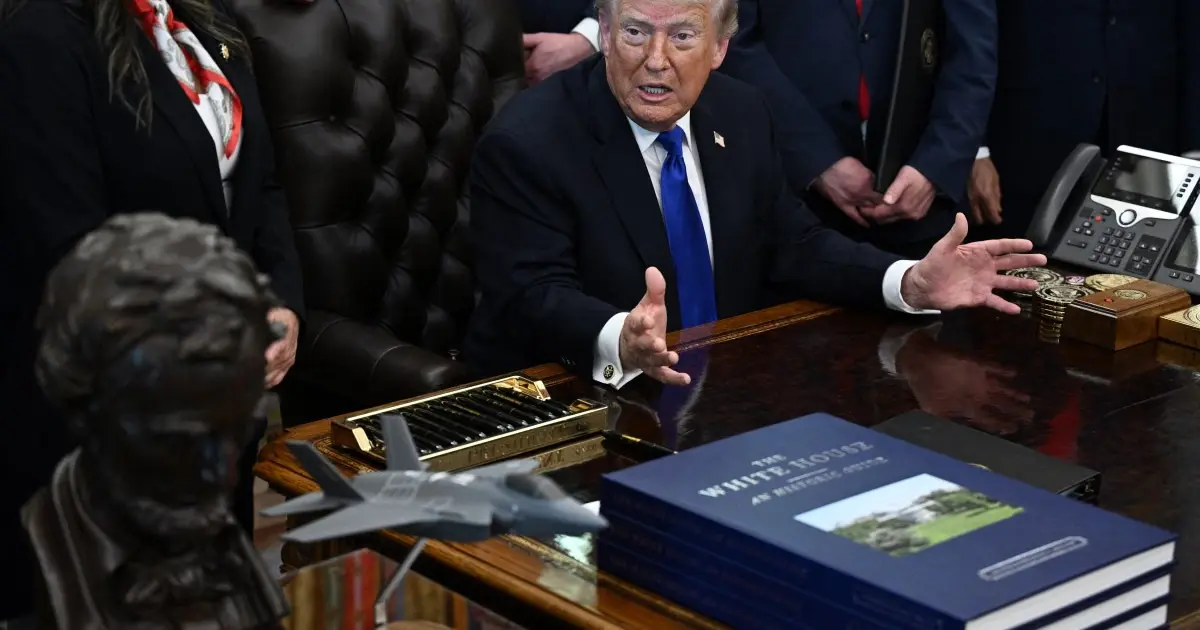
President Donald Trump stated on Friday that he is "not satisfied" with a new negotiating proposal delivered by Iran via Pakistani mediators. Speaking to reporters at the White House following a briefing with U.S. Central Command, Trump described the Iranian leadership as "disjointed" and "messed up," suggesting internal discord in Tehran is hindering a final agreement. While the President noted that he has the military capability to "blast" the opposition, he expressed a preference for a deal, though he warned that the current terms do not yet meet U.S. requirements for national security.
Current Situation and Next Steps
The outlook for global oil prices remains tied to the reopening of the Strait of Hormuz. Although the White House Iran ceasefire claim provides a legal justification for maintaining troops, it has not yet led to the restoration of oil exports through the Persian Gulf. Moving forward, the market expects continued price floors above $100 as long as the blockade persists. Diplomatic talks are expected to continue in Islamabad, but both Washington and Tehran have warned that military operations could resume if the ceasefire terms are violated. Congressional leaders have indicated they may still pursue a vote to clarify the limits of executive military authority in the coming weeks.
Video Credit: Source: YouTube / Channel NewsAsia (CNA)
